

The 21 Most Effective Treatments for Melasma [Infographic]
Have you ever looked at your face in the mirror and noticed a patch of skin that’s darker than the rest of your face? These dark spots may be melasma.
Melasma is a common skin condition where light brown, dark brown, or greyish-blue spots, patches, or blotches of skin are darker than your normal skin colour.
Melasma is not easy to get rid of. However, successful treatment is possible by sticking to a skincare routine that combines different remedies.
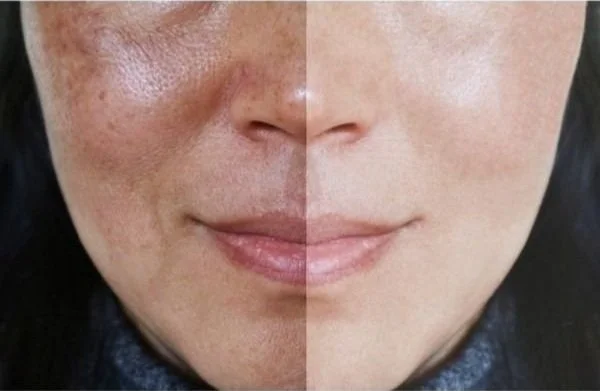
Melasma appears as dark brown, light brown, or greyish-blue spots, patches, or blotches on your skin.
Where Does Melasma Show Up?
While the colour and shape of your melasma may look different than your neighbour’s, it usually appears on the parts of your face that get the most sun, such as:
Your forehead
Your cheeks
Your chin
The bridge of your nose
Above your upper lip
It can also appear on your neck, chest, and forearms.
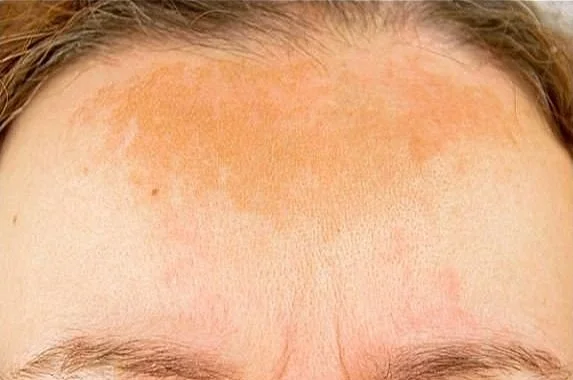
Melasma appears on different parts of the face, including the forehead.
How Does Melasma Happen?
Melasma happens when there’s an overproduction of melanin.
Melanocyte cells are found mainly in the lower part of your epidermis. These cells produce your melanin–the pigment that gives your skin, hair, and eyes their unique colour.
Certain conditions trigger your melanocytes to go into overdrive and make too many pigment cells. This appears as dark marks on your skin.
What Causes Melasma?
Radiation
Radiation comes in the form of UV rays and infrared radiation (heat from the sun). Excessive exposure to UV light triggers your melanocytes to make too much melanin.
Visible or blue light is also a form of radiation that causes melasma. Lights from LED screens like your television, computer, or cell phone, can cause your melasma or make it worse.
Hormonal Changes
When your estrogen and progesterone levels have gone haywire, it can lead to melasma.
So, if you’re taking hormonal birth control pills, synthetic hormone medication, or if you’re pre- or menopausal, you're at a higher risk of getting melasma.
Since thyroid problems also cause hormone changes, you may be more susceptible to developing melasma if you have a thyroid condition.
Many pregnant women develop melasma. It’s so common that it’s called the mask of pregnancy.

Melasma is so common among pregnant women that it’s called, the mask of pregnancy.
Genetics
If your sister, your mother, or your first cousin twice removed has melasma, there's a good chance that you'll get it too. Fifty percent (50%) of people with melasma have reported that someone in their family has this skin condition.
Melasma is also more common in females than males.
People with darker skin types like Asians, Blacks, and some Europeans are prone to developing hyperpigmentation. If you have a darker skin complexion, you have larger melanocytes than your best friend with fair skin. And larger cells are easier to trigger and develop excess melanin.
Skin Irritation
Any condition or product that irritates the skin can leave behind darker patches. So, beware of any irritant—scented soaps; makeup that causes a phototoxic reaction; a scratch, burn, or acne.
Melasma Treatments
While melasma is a stubborn type of hyperpigmentation, there’s good news. Different treatments are powerful enough to eliminate it or at least minimize the appearance of hyperpigmentation.
The 21 treatments in this blog are categorized under:
Prevention
#1. Wear Sunscreen
All the time. Seriously. Even on cloudy days, rainy days, and in front of your computer screen. Sunscreen is the best sun protection so make it your best friend.
You can use either a physical or chemical sunscreen. Physical sunscreens provide a physical barrier between the UV rays and your skin. Mineral sunscreen is one type of physical sunscreen. Look for the ingredients, zinc oxide or titanium dioxide. Iron oxide is another substance that can protect against melasma caused by visible light.
On the other hand, chemical sunscreens absorb and dissolve into the skin and work by absorbing UV rays. Sometimes people prefer chemical sunscreens because they don't leave that Casper-the-Ghost white cast that mineral sunscreens are known for.

Basking in the sun gives you a good dose of vitamin D. But too much sun exposure and without sunscreen, can cause melasma.
From The Inside
#2. Balance Your Hormones
Having too much estrogen and progesterone causes or worsens melasma.
So, if you’re on birth control pills, consider switching to another pill with low estrogen and progesterone levels.
If you’re pregnant, you can’t control your hormone levels so it’s best to prevent melasma by protecting your skin from the sun.
#3. Consume Vitamin C

A diet full of fruits and vegetables will help to give you healthy-looking skin.
Vitamin C is a powerful antioxidant. It inhibits the enzyme, tyrosinase, therefore halting melanin production.
Foods and drinks high in vitamin C include, red sweet peppers, broccoli, mustard greens, kale, and tomato juice. You can also get a high dose of vitamin C with infusions done by a health care professional.
#4. Consume Vitamin D
Vitamin D is another substance that’s important for healthy skin.
Foods or drinks high in vitamin D include, oily fish, mushrooms, dairy, and eggs. A high-quality vitamin D supplement is also a good option.
#5. Consume Vitamin E
Little research shows whether vitamin E treats melasma.
But, it’s well-known that vitamin E is important for skin health. This vitamin is a powerful antioxidant that eats up free radicals, protecting your skin from sun damage. Wheat germ, sunflower seeds, and almonds are all high in vitamin E.
Topical Agents

Several topical agents can reduce the appearance of melasma.
Several topical treatments can reduce your melasma. It’s important to use them regularly and to be patient, as melasma is stubborn—it may take several weeks to see results.
#6. Kojic Acid
Kojic acid is an extract of fungi that reduces melasma by inhibiting tyrosinase, an enzyme needed to make melanin. Kojic acid is a strong antioxidant that can lighten the skin.
#7. Tranexamic Acid
Tranexamic acid is an antifibrinolytic agent that shows some promise in diminishing the appearance of melasma. It can be applied directly onto the skin, injected into the skin, or taken in pill form.
#8. Azelaic Acid
Azelaic acid occurs naturally in wheat, barley, and rye. It helps minimize melasma in two ways.
One, it encourages cell turnover which means that the top layer of skin sloughs off more frequently, allowing your healthy, even-toned skin to come to the surface. Second, it’s an antioxidant so it mops up free radicals which damage the skin.
#9. Salicylic Acid
Salicylic acid is a substance that causes the outer layer of skin to shed. It’s a beta-hydroxy acid (BHA), one of two classes of exfoliating acids (the other being alpha-hydroxy acid or AHA).
Salicylic acid is oil soluble which means that it works on the surface of the skin and soaks deeper in the skin than AHAs.
Salicylic acid comes in different strengths and forms including creams, gels, serums, and ointments.
A stronger form can be used in a chemical peel procedure.
#10. Glycolic Acid
Glycolic acid is a substance that sloughs off the top layer of skin to reveal more even-toned, healthier skin.
It belongs to the AHA category of exfoliating acids. AHAs are water-soluble and come from natural sources like fruit and milk.
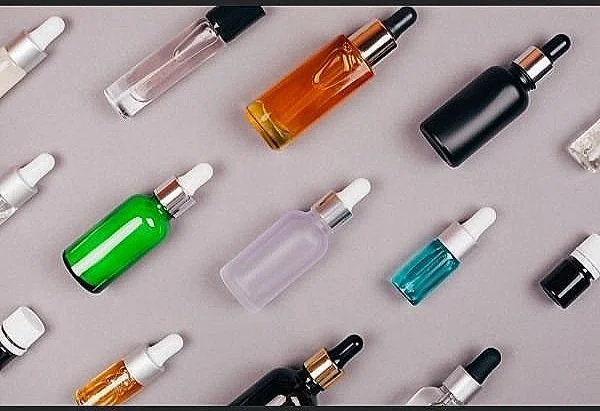
Many topical agents can diminish the appearance of hyperpigmentation, including melasma.
#11. Lactic Acid
Lactic acid is another AHA that encourages the top layer of skin to peel off.
#12. Vitamin C Serum
Although I discussed vitamin C above, it’s worth mentioning here again because it’s an effective antioxidant serum that brightens and lightens the skin.
#13. Alpha Arbutin
Alpha arbutin occurs naturally in some plant leaves including bearberry and cranberry. It interrupts melanin synthesis by inhibiting tyrosinase. As a result, alpha arbutin lightens and brightens the skin, and evens out skin tone.
#14. Retinol
Retinol is a form of vitamin A. It helps your skin shed faster, getting rid of excess pigment cells that exist with melasma.
#15. Niacinamide
Niacinamide is a form of vitamin B3. It’s a powerful antioxidant that lightens abnormally dark areas and reduces acne.
#16. Hydroquinone
Hydroquinone lightens the skin by inhibiting tyrosinase, which is needed to make melanin.
Hydroquinone usually comes as a prescription cream medicine. So talk to your physician about whether hydroquinone is good for your skin type as it's quite harsh.
#17. Hyaluronic Acid
Hyaluronic acid occurs naturally in your body. It helps keep your skin hydrated and works alongside collagen and elastin to give your skin shape, structure, and firmness.
Remember, many of the agents listed above cause your skin to peel. Excess peeling can cause skin irritation–one of the causes of melasma. So, while you’re trying to encourage your skin cells to flake off, it’s important to keep your skin moisturized during this process.
#18. Specific Melasma Creams
Instead of buying creams and serums of each individual active ingredient listed above, you can buy over-the-counter products that are made specifically to treat melasma, like SkinMedica Lytera.
In-Office Procedures
Some office treatments can improve your skin discoloration. The good news about the following procedures is that they treat different skin issues at once, including fine lines, wrinkles, and scars.
#19. Chemical Peel
This non-invasive cosmetic treatment gets rid of your unwanted pigment cells that are in the top layer of skin.
If you have an olive or darker skin tone, be careful with chemical peels. Depending on the strength of the chemical solution, it can cause hyperpigmentation or make your hyperpigmentation worse.
#20. Laser Treatment
Laser skin resurfacing is a minimally-invasive cosmetic treatment that can minimize the appearance of melasma by destroying your pigment cells with laser technology. Again, if you’re a person of colour, be cautious with laser treatments as they can make your melasma worse.
#21. Microneedling
Microneedling is a procedure where surgical-grade needles puncture tiny holes into your skin to trigger collagen and elastin production. This process leads to healthier, more even-toned skin.
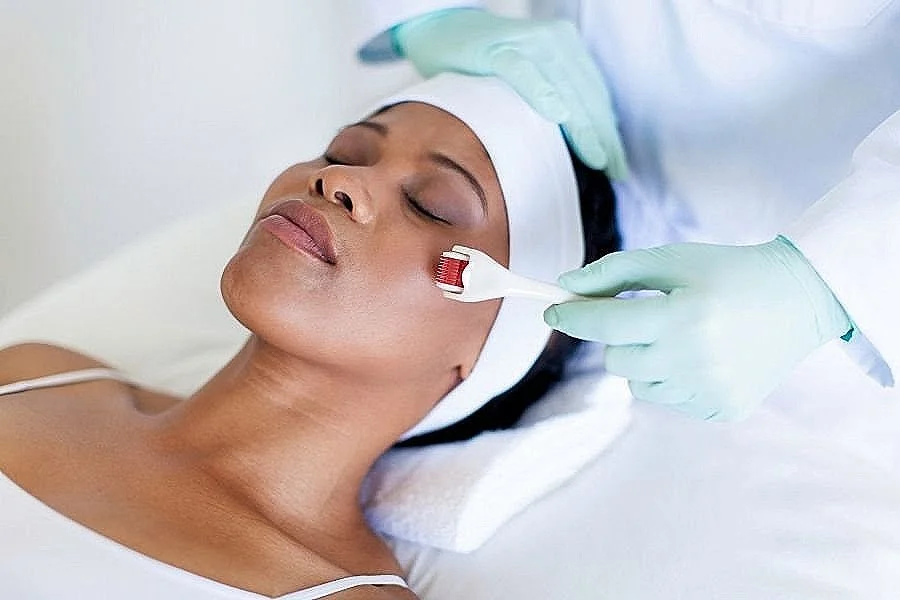
Microneedling is a minimally-invasive procedure that evens-out skin complexion.
The Bottom Line
Melasma is a chronic skin condition that can’t be cured. The good news is that many treatments can diminish the unwanted dark patches of skin, giving you a more even skin tone.
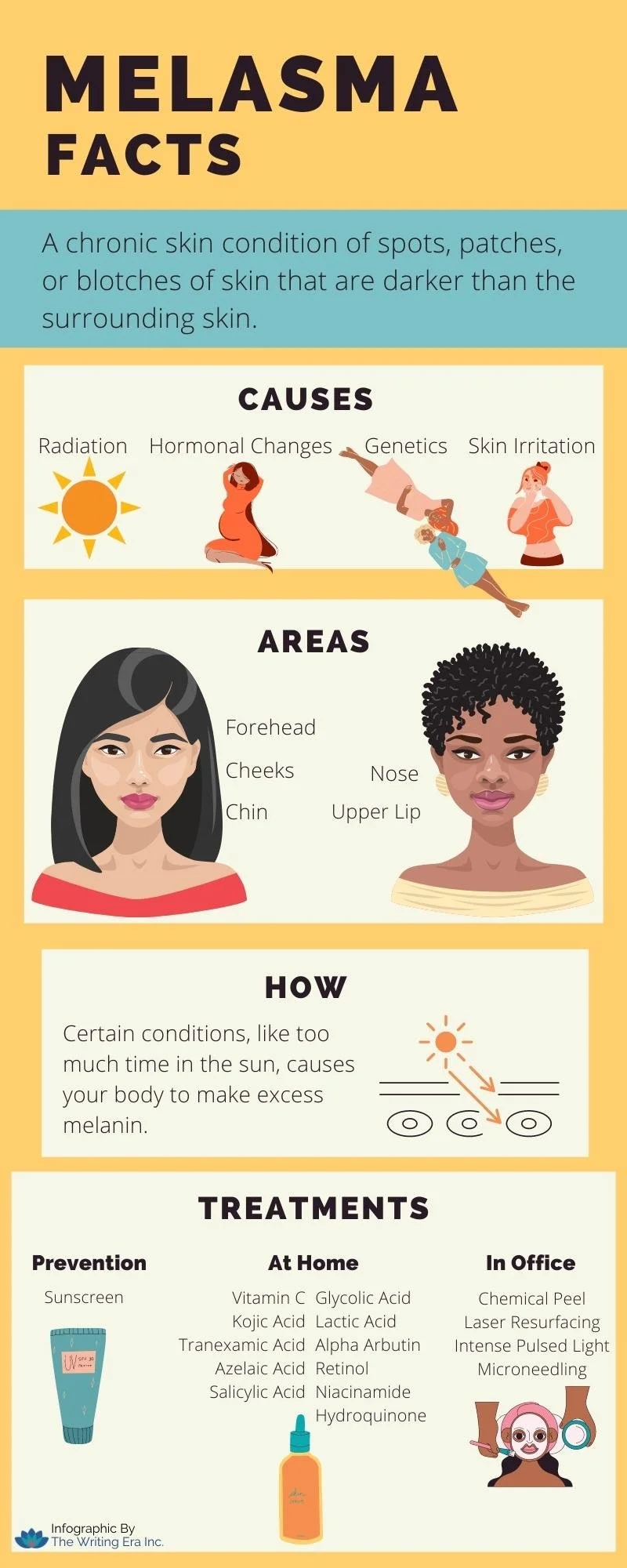
Infographic about melasma.
Resources
Basit, H., Godse, K. V., & Al Aboud, A. M. (11 August, 2021). Melasma. StatPearls Publishing. https://www.ncbi.nlm.nih.gov/books/NBK459271/
Callahan, C. (18 August, 2019). What are free radicals, and how do they affect your skin. Today. https://www.today.com/style/what-are-free-radicals-how-do-they-affect-your-skin-t150296
Candelario, C. (6 July, 2021). What is glycolic acid? Everything you need to know about the popular exfoliator. Pure Wow. https://www.purewow.com/beauty/what-is-glycolic-acid.
Kirsch, B. (1 May, 2020). Is Azelaic acid effective for melasma treatment? ClearifiRx. https://clearifirx.com/blog/melasma-azelaic-acid
Lee, G. S. K. (2008). Intravenous vitamin c in the treatment of post-laser hyperpigmentation for melasma: A short report. Journal of Cosmetic and Laser Therapy, 10(4), 234-236. https://doi.org/10.1080/14764170802187193
Lee, J. (n.d.). Sunscreens with iron oxides–Importance & benefits. LearnSkin. https://www.learnskin.com/articles/what-is-the-importance-of-iron-oxides-in-sunscreen-aa1741
Moore, H. W. (10 March, 2020). Kojic acid for the treatment of melasma. Dermatology Advisor. https://www.dermatologyadvisor.com/home/topics/aesthetic-medicine/kojic-acid-for-the-treatment-of-melasma/
Price, A. (19 March, 2020). Niacinamide benefits for skin + uses, side effects, dosage & more. Dr. Axe. https://draxe.com/beauty/niacinamide/
Reina, O. (10 August, 2016). Melanocytes, melanin, and more. Tempo Bioscience. https://tempobioscience.com/blog/melanocytes-melanin-and-more/
The Skin & Wellbeing Clinic Preston. (30 October, 2019). Why is hyaluronic acid good for your skin? https://www.skinandwellbeingclinic.com/why-is-hyaluronic-acid-good-for-your-skin/
The Skincare Enthusiast. (n.d.). The benefits of alpha arbutin for skin. https://theskincareenthusiast.com/benefits-of-alpha-arbutin-for-skin/
Wang, J. V., Jhawar, N., & Saedi, N. (2019). Tranexamic acid for melasma: Evaluating the various formulations. Journal of Clinical Aesthetic Dermatology, 12(8), E73-E74. https://www.ncbi.nlm.nih.gov/pmc/articles/PMC6715124/#__ffn_sectitle
Woodland Hills Pharmacy. (n.d.). Hydroquinone for melasma. https://www.woodlandhillspharmacy.com/hydroquinone-for-melasma/