The Top 5 Minimally-Invasive Cosmetic Procedures
As time goes on, different areas of the face begin to show signs of aging. For that reason alone, the cosmetic industry is booming. In 2020, $16.7 billion was spent on cosmetic procedures in the United States.
To get that youthful appearance, you don't need have major surgery. In fact, many non-surgical procedures or minimally-invasive treatments can get you the best results without going under the knife.
But which minimally-invasive procedure should you have done?
To help you choose the best option for facial rejuvenation, start by considering the most popular procedures as published in the Plastic Surgery Statistics Report 2020 by the American Society of Plastic Surgeons. The facial procedures are:

Make sure that your treatment is done by a certified skincare practitioner.
Note: Each of the non-surgical cosmetic treatments listed below can be performed by cosmetic dermatologists, cosmetic surgeons, physician assistants, and certified nurses. Before any cosmetic treatment, you’ll talk to your skincare practitioner about your medical history, medications, previous cosmetic treatments, and expectations.
#5. Intense Pulsed Light
Intense pulsed light (IPL) therapy, also known as photo facial, is a non-invasive treatment to improve the colour and texture of your skin. IPL uses light to erase some of the sun damage done to your skin, called photoaging.
IPL therapy is used to improve the following skin conditions:
Fine lines and wrinkles
Scars
Freckles and birthmarks
Age or sun spots
Discolouration
Redness from rosacea
Broken blood vessels
Spider or varicose veins
Stretch marks
Unwanted hair
How It Works
An intense light heats up pigment cells causing your body to get rid of these unwanted cells.
IPL is a non-ablative procedure. This means that it targets the lower layers of your skin (dermis) without destroying the top layer of your skin (epidermis).
Aesthetic nurse, Elizabeth Marley, explains the intense pulsed light treatment.
Procedure
Your skincare practitioner may recommend that you prepare your skin for treatment weeks in advance by avoiding:
Direct sunlight
Tanning beds
Waxing
Chemical peels
Exfoliating
Collagen injections
Blood thinners like aspirin
Creams that contain vitamin A or glycolic acid
During your treatment, your practitioner may apply a numbing cream or cold gel to your skin. You’ll also wear protective eyewear.
The entire treatment takes 20 to 30 minutes.
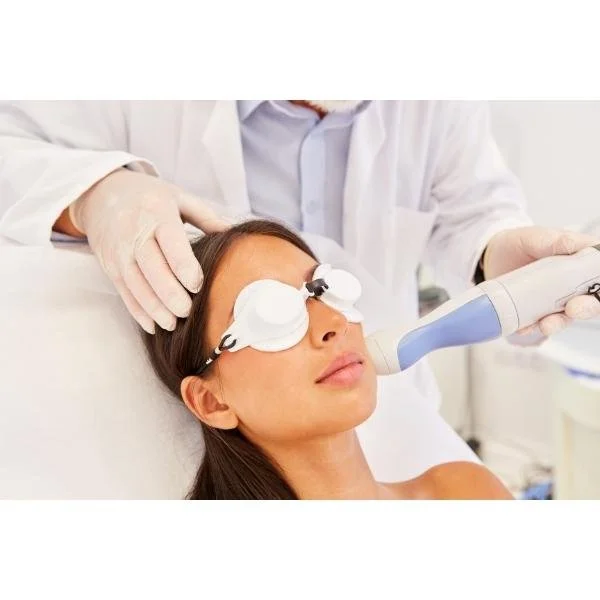
It’s important to wear protective eyewear during Intense pulsed light (IPL) therapy.
Recovery and Aftercare
There is minimal downtime with IPL. You can resume your normal activities almost immediately.
Right after your light therapy, your skin may be swollen and sensitive. The feeling may be similar to a sunburn.
While your skin heals, avoid using hot water and being in direct sunlight. And wear sunscreen.
You may need 4 to 6 treatment sessions every 3 to 6 weeks to achieve the desired results.
Risks and Side Effects
Risks and side effects of IPL therapy include:
Redness
Pain during the treatment
Pain or soreness after the treatment
A feeling of a mild sunburn
More serious side effects include:
Blisters
Darker skin or hyperpigmentation
Bruising
Hair loss
When IPL Isn't Right For You
Avoid IPL therapy if you’re prone to keloids which are raised scars, or have a darker skin complexion.
#4. Chemical Peel
A chemical peel is a procedure where a chemical solution is applied to your skin. When your skin grows back, you’re left with a more youthful appearance.
Chemical peels treat:
Fine lines
Wrinkles
Acne scars
Other kinds of scars
Dry skin
Uneven skin tone
Hyperpigmentation
Precancerous growths
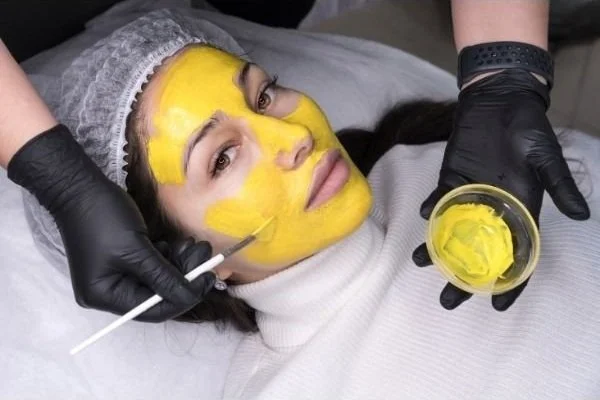
Chemical peels can come in 3 strengths: light, medium, and deep.
How It Works
A chemical solution is applied to your skin and allowed to soak in for a certain amount of time.
The chemical solution comes in different strengths. Depending on the strength, the solution can destroy just the top layer (epidermis) or the top and underlayer of your skin (dermis).
The dead layers of skin peel off, and the new skin that grows back is smoother and more even-toned.
Types of Chemical Peels
Chemical peels come in 1 of 3 different strengths. The deeper the chemical peel, the more dramatic the results.
Light chemical peels target the top layer of the skin. You’ll need repeated treatments to get the best results. Light peels can be used on all skin types.
Medium chemical peels soak deeper into the skin than light peels and cause a burn. They take off the top layer and a few layers of the underlayer of skin. You might need more than one treatment to get the results you want.
Deep chemical peels treat even deeper layers of skin and cause a burn. Unlike the light and medium peels, the deep chemical peel treatment helps to diminish deep wrinkles.
A chemical called phenol is used with deep peels. Phenol bleaches the skin so deep peels are not recommended for darker skin tones.
With deep chemical peels, you won’t need repeated treatments to get the full effect. Recovery time, however, is longer than with the other peels.
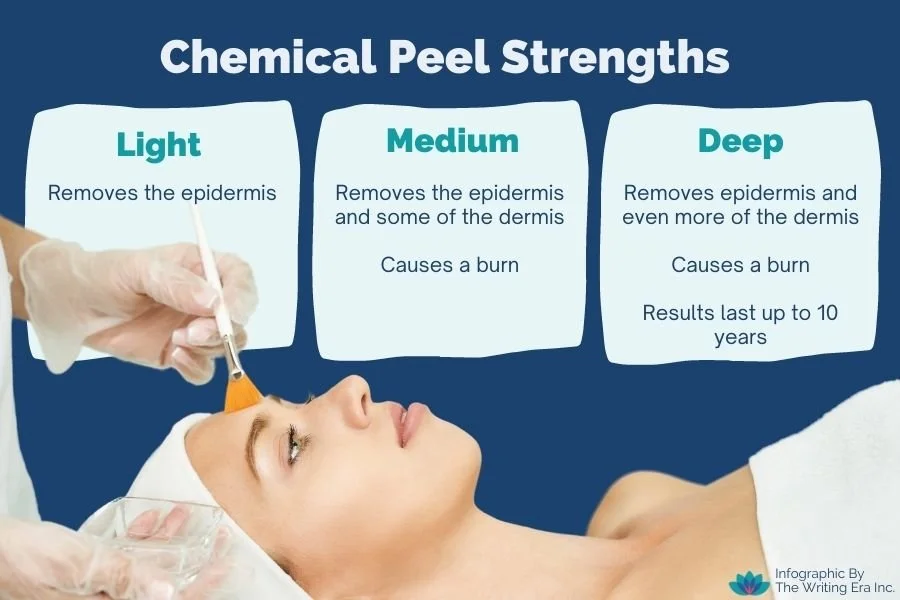
Infographic of the 3 different strengths of chemical peel solutions.
Procedure
Your practitioner may recommend that you prepare your skin a few weeks before your procedure in the following ways:
Avoid sun exposure
Avoid treatments that remove hair like electrolysis or depilatories
Don’t exfoliate
Don’t dye or perm your hair
Take an antiviral medication to help prevent infection
Use a retinoid cream to support healing
Use a bleaching substance before or after your treatment to minimize the risk of side effects
During the treatment, your practitioner will apply the chemical to your skin and allow it to soak in. Water or alcohol may be used to neutralize the chemical which is then wiped off.
For light chemical peels, your skin might tingle. For harsher chemical peels, your skin might sting for up to 20 minutes.
The deep chemical peel is the most painful and complicated. Your skincare practitioner may give you an oral sedative and pain medicine. The procedure will be done in 10 to 20-minute intervals to limit your exposure to the harsh acid.
Recovery and Aftercare
Regardless of the strength of the chemical peel, you must care for your skin properly as this will speed up healing, prevent infection, and maximize results. It may take a few months for your skin to heal.
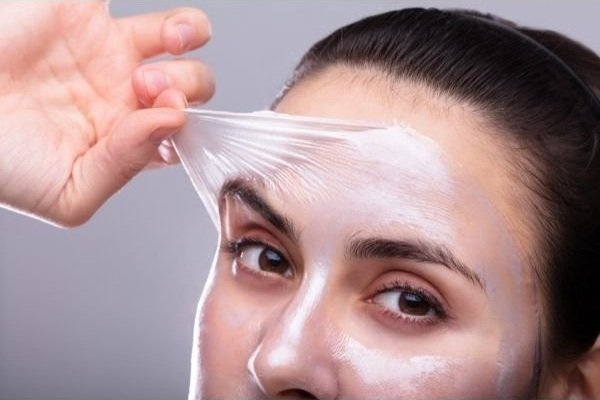
Dead skin peels off after a chemical peel
Avoid sun exposure as your skin peels. Once the peeling is done, wear sunscreen whenever you’re outside.
Clean your skin often. Your skincare specialist may give you a special wash for your skin.
Keep your skin moist by applying moisturizer regularly.
Risks and Side Effects
Because chemical peels remove at least one layer of skin, you may experience several side effects. They include:
Redness, scabbing, swelling (while your skin heals, these side effects are normal)
Scarring
Changes in skin colour (hyperpigmentation or hypopigmentation)
Infection
Heart, kidney, or liver damage. Phenol can cause damage to these organs. To prevent organ damage, your skincare practitioner will conduct your treatment a little bit at a time.
When a Chemical Peel Isn’t Right For You
Don’t have a chemical peel if:
You’re pregnant
You have keloids or have a family history of keloids
You’ve taken the oral acne medication, isotretinoin, within the past 6 months
You’re susceptible to cold sores
#3. Laser Skin Resurfacing
Laser skin resurfacing is a procedure where laser technology is used to improve your skin’s appearance. This treatment is good for:
Dark spots or uneven skin tone
Age spots or sun spots
Scars like acne scars
Birthmarks
Enlarged pores
How It Works
The laser is an intense beam of light energy that wounds the targeted areas of your skin and stimulates collagen growth. There are two types of lasers in this treatment:
Ablative Laser. The ablative laser wounds the top layer of your skin (epidermis). The laser heats up the underlying skin (dermis), which stimulates production of collagen. Collagen improves the texture and tone of your skin.
Nonablative Laser. The nonablative laser stimulates collagen growth but it doesn’t wound the top layer of your skin. It’s less invasive than the ablative laser so it’s less effective.
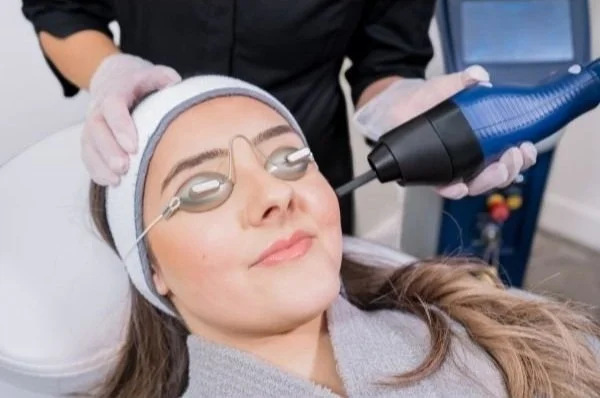
There are 2 types of lasers used for laser skin resurfacing: ablative laser and nonablative laser.
Procedure
Your healthcare team may apply a numbing cream to your face. If your whole face is being treated, you might be sedated.
Ablative laser treatment can last between 30 minutes to 2 hours.
With nonablative laser treatment, you’ll need a series of treatments over a few weeks to months to get your desired results.
Aftercare and Recovery
After ablative laser treatment, your skin will be raw, swollen, and itchy. Your practitioner will protect your skin by layering a thick ointment and covering the area with a watertight dressing. You may also take a pain reliever or apply cool compresses for any pain.
With nonablative laser resurfacing, your skin may be mildly red and swollen. You can take over-the-counter pain medication if you experience discomfort. A cold compress may also work to diminish any pain or discomfort. You can go back to your everyday activities almost immediately.

Wear sunscreen while your skin in healing.
While your skin heals, don’t do anything strenuous that may cause pain or an infection, like swimming.
Within 2 weeks, new skin will cover the treated area.
It’s important to wear sunscreen to prevent further skin damage.
Results
After ablative skin resurfacing, your skin might be red or pink for several months. However, once your skin has healed, you’ll notice a smoother, more even-toned appearance. The results may last up to several years.
For nonablative skin resurfacing, the results are more gradual and not as dramatic as with ablative skin resurfacing. You will notice, however, a decrease in fine lines and a more even skin tone.
Risks and Side Effects
The different lasers can cause different risks and side effects. Ablative laser risks and side effects include:
Redness, swelling, and itching
Acne
Infection
Scars
Changes in skin colour (hyperpigmentation or hypopigmentation)
Eyelid turning which is called, ectropion
Nonablative laser risks and side effects include:
Mild swelling and redness
Infection
Changes in skin colour (hyperpigmentation or hypopigmentation)
When Laser Treatment Isn’t Right For You
Laser skin resurfacing isn’t for everyone. It may not be for you if:
You’re pregnant or nursing
You’re younger than 18 years old
You’re prone to scarring
You have active acne
You have darker skin
You’ve had radiation therapy on your face
You’re prone getting cold sores
You have an autoimmune condition or have a weak immune system
You’ve taken the acne medication, isotretinoin, during the past year

Laser skin resurfacing may be for you if you have darker skin. The treatment may cause hyperpigmentation.
#2. Soft Tissue Fillers
Soft tissue fillers, also known as dermal fillers, lip fillers, facial fillers, injectable implants, or wrinkle fillers, are medical device implants to restore volume and create plumper-looking skin.
They are gel-like substances, either naturally occurring or synthetic, that are injected under the skin.
Where It’s Used
Fillers can be injected into your laugh lines, marionette lines, cheeks, lips, chin, and the back of the hands. They’re used to address dark undereye circles, add volume to the cheeks, smooth out laugh lines, enhance lips, and rejuvenate hands.
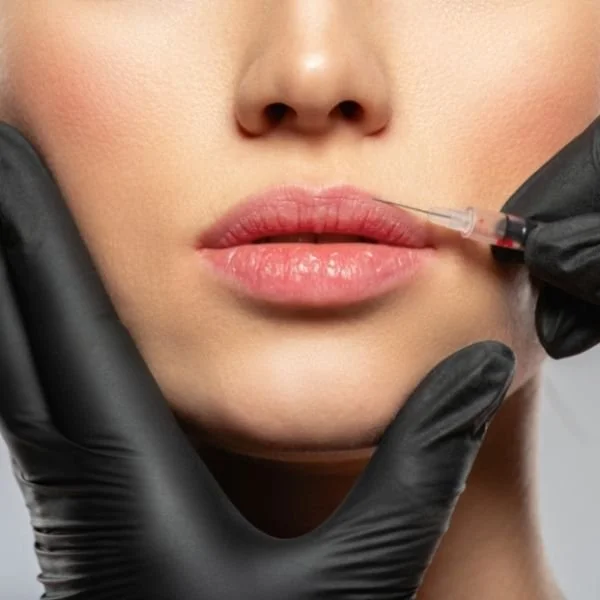
Lip fillers are a popular surgical cosmetic treatment.
Types of Dermal Fillers
There are several FDA-approved injectable products including:
Hyaluronic acid
Calcium hydroxyapatite
Polymethyl methacrylate (PMMA)
Poly-L-lactic acid
Human fat
Procedure
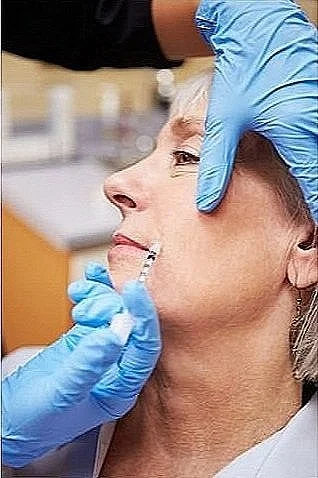
Soft tissue filler is used to diminish the appearance of fine lines and wrinkles in the laugh-line area.
After going over your medical history, your practitioner will evaluate your facial appearance, structure, and skin tone. They might take photographs.
Although a thin needle is used to inject the filler, your practitioner may apply a numbing cream to the treatment areas to make the procedure less uncomfortable. Some filler products contain the anesthetic, lidocaine.
Injection into each treatment area may take only a few minutes. The procedure may last 15 minutes or as long as 1 hour, depending on how many areas are being treated.
Recovery and Aftercare
There's little downtime. You can go back to your regular activities right away. But it’s a good idea to take it easy for at least a day after your procedure.
Risks and Side Effects
The risks of dermal fillers are generally minimal.
Common side effects, which tend to occur at the injection site, may occur right away but clear up within 14 days. They include:
Bruising
Swelling
Redness
Itching
Rash
Pain
Severe side effects are rare. But if you experience any of them, call your practitioner right away. They include:
Filler moved to another area
Filler leaked through the injection site
Lumps (i.e., nodules) around the injection site. You may need surgery to have these removed.
Granulomas (a type of inflammatory reaction to the filler)
Infection
Injury to blood vessels
Blindness. This happens when the filler is injected into an artery, blocking blood flow.
Tissue death (filler injected into an artery, blocking blood flow)
When Fillers Aren’t Right For You
If you fall under any of the following categories, do not get dermal fillers:
You’re pregnant or nursing
You have a bleeding condition (for example, Haemophilia or Von Willebrand's disease)
Your skin is inflamed (for example, active acne, rash, hives)
You’re allergic to any ingredient in the filler (read through the product label and ask your skincare practitioner)
You’re susceptible to scarring
You’re younger than 18 years old
If you’re prone to scarring, soft tissue fillers may not be a good anti-aging option for you.
Results
Depending on the type and amount of filler used, you may notice results right away.
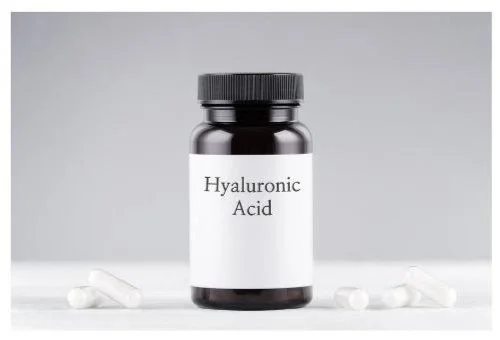
Hyaluronic acid is a naturally occurring substance that’s used as a soft tissue filler.
Naturally occurring fillers like hyaluronic acid, last between 6 and 18 months as they get absorbed into your body. Hyaluronic acid is the most popular filler because it’s easy to dissolve in case of complications, or you don’t want the filler anymore.
Synthetic fillers, on the other hand, tend to last longer because they don’t get absorbed into the body.
Fat injections are meant to last indefinitely. It’s expected, however, that some will not survive, and so you may lose some volume.
#1. Botox
Botox or Botulinum Toxin Type A is injected into your face to temporarily reduce the appearance of fine lines and wrinkles. Botox is the same toxin that causes botulism, the life-threatening form of food poisoning. In small doses, however, it is relatively safe and effective.
Botox can be injected between and around your eyes, and in your forehead to deal with:
Crow’s feet
Frown lines
Forehead wrinkles
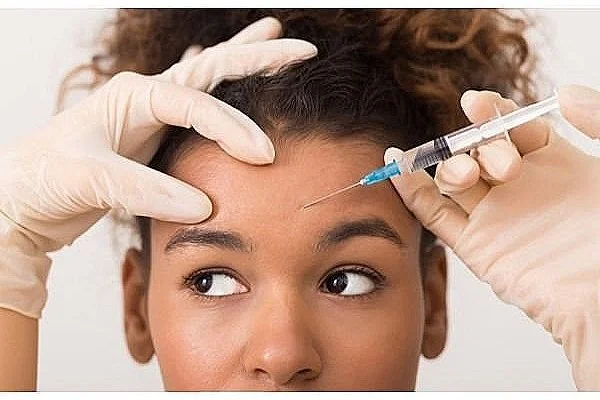
There are 3 FDA-approved areas of the face where cosmetic Botox can be injected: in between the eyes, around the eyes, and in the forehead.
How It Works
Botox is injected into your muscles to block signals from your nerves to your muscles. This prevents your muscles from tensing up, diminishing the appearance of fine lines and wrinkles. The treatment also helps to delay the development of more wrinkles because you contract your muscles less.
Procedure
Because of the possible, serious side effects, your skincare professional will review your medical history in depth before going ahead with the procedure. They will also exam your facial features.
You must tell your skincare practitioner about the following:
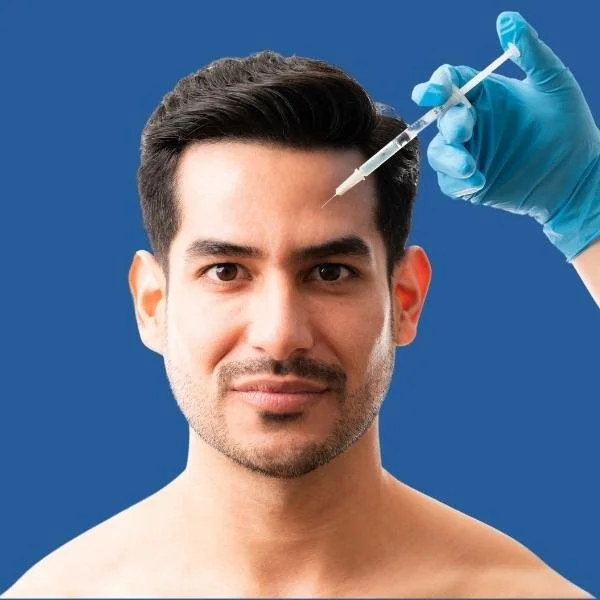
Both men and women get cosmetic procedures done, including Botox.
All prescription drugs that you’re taking
All over-the-counter drugs, vitamins, and herbal substances that you’re taking, including muscle relaxants, allergy medicine, cold medicine, blood-thinners like aspirin, and sleep medication
If you’ve had other Botox treatments within the last 4 months
If you’ve had a breathing problem like asthma or emphysema
If you have a swallowing problem
If you’ve had or have a bleeding problem
If you’ve had surgery or plan to have surgery on your face
If you’ve had drooping eyelids
If you’ve had muscle weakness in your face before
After the assessment, your practitioner will use a thin needle to administer 3 to 5 Botox injections.
It’s a quick procedure that lasts about 10 minutes.
Recovery and Aftercare
There is minimal downtime. You can go back to your normal activities almost right away. It’s important that you do the following for optimal results:
Do not rub, massage, or apply pressure to the treated areas. Doing so can spread the Botox to unintended areas.
If you have injections between your eyes, do not lie down or bend over for 3 to 4 hours. The Botox can slip underneath your orbital rim and cause your eyelid to droop.
Risks and Side Effects
Botox is a neurotoxin which means that it can cause damage to your nerve tissue.
Minor side effects include bruising or discomfort. If you experience the following symptoms, call your healthcare professional right away:
Headache
Neck pain
Tiredness
Drooping eyelids
Swollen eyelids
Dry eyes
Blurred vision
Double vision
Decreased eyesight
Allergic reaction including itching, rash, red itchy welts, problems breathing or asthma-like symptoms, dizziness or faintness
When Botox Isn’t Right For You
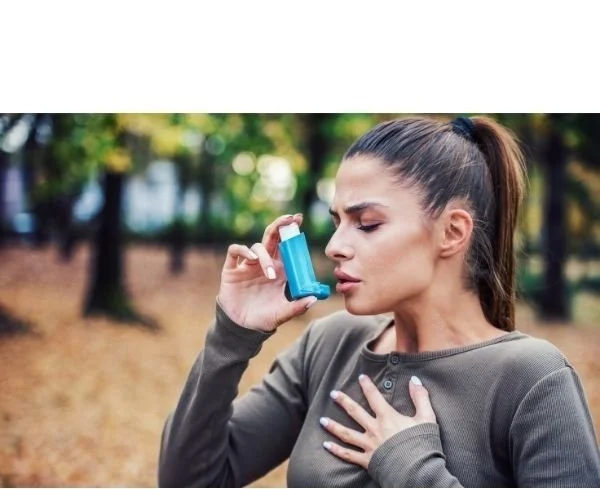
You may not be eligible for Botox if you have severe asthma.
While Botox is relatively safe if done by a licensed skincare practitioner, cosmetic Botox may not be right for you if:
You're pregnant or nursing
You have severe breathing problems like asthma or emphysema
You're younger than 18 years old
You’ve had an infection in the area where you want to get Botox
Results
The smoothed texture that you’re looking for with Botox is noticeable within 1 to 2 days. But it can take up to 30 days before you see the full results. And it lasts about 3 to 4 months.
Resources
American Board of Cosmetic Surgery. (n.d.). Injectable fillers guide. https://www.americanboardcosmeticsurgery.org/procedure-learning-center/non-surgical/injectable-fillers-guide/
American Society of Plastic Surgeons. (n.d.). Dermal fillers. https://www.plasticsurgery.org/cosmetic-procedures/dermal-fillers
American Society of Plastic Surgeons. (n.d.). Laser skin resurfacing. https://www.plasticsurgery.org/cosmetic-procedures/laser-skin-resurfacing//candidates
Christiano, D. (11 July, 2019). Side effects of facial fillers. Healthline. https://www.healthline.com/health/facial-fillers-side-effects#precautions
Cronkleon, E. (10 September, 2021). Is Botox poisonous? Here’s what you need to know. Healthline. https://www.healthline.com/health/botox-poison
Gotter, A. (18 September, 2018). What you should know about chemical peels. Healthline. https://www.healthline.com/health/chemical-peels#overview
Healthwise Staff. (n.d.). Chemical Peel. HealthLink BC. https://www.healthlinkbc.ca/health-topics/chemical-peel
Johns Hopkins Medicine. (n.d.). Dermal fillers. https://www.hopkinsmedicine.org/health/treatment-tests-and-therapies/dermal-fillers
Liu, K. (7 January, 2020). Dermal fillers: The good, the bad and the dangerous. Harvard Health Publishing. https://www.health.harvard.edu/blog/dermal-fillers-the-good-the-bad-and-the-dangerous-201907152561
Mayo Clinic. (n.d.). Laser resurfacing. https://www.mayoclinic.org/tests-procedures/laser-resurfacing/about/pac-20385114
Radiance by WebMD. (n.d.). IPL treatment. https://www.webmd.com/beauty/intense-pulsed-light-treatment-overview#
U.S. Food & Drug Administration. (8 October, 2021). Dermal fillers (soft tissue fillers). https://www.fda.gov/medical-devices/aesthetic-cosmetic-devices/dermal-fillers-soft-tissue-fillers
U.S. Food & Drug Administration. (2016). Medication guide Botox® Botox® Cosmetic (Boe-tox) (onabotulinumtoxinA) for injection. https://www.fda.gov/media/77359/download
Watson, S. (18 June, 2018). What is intense pulsed light (IPL) treatment? Healthline. https://www.healthline.com/health/ipl-treatment
Winston Salem Dermatology & Surgery Center. (n.d.) Neurotoxin treatment: A closer look at Botox injections. https://www.winstonsalemdermatology.com/news/neurotoxin-treatment-a-closer-look-at-botox-injections/
Wisco, L. (14 August, 2018). Botox: The cosmetic use of botulinum toxin. Healthline. https://www.healthline.com/health/botox